Bugatti’s Raw V16 Sound Is a Useful Signal for Enthusiast Car Buyers
Bugatti’s refusal to fake the sound of its new 8.3-liter V16 says something important about enthusiast cars: buyers may be valuing mechanical honesty over polished, engineered theater.
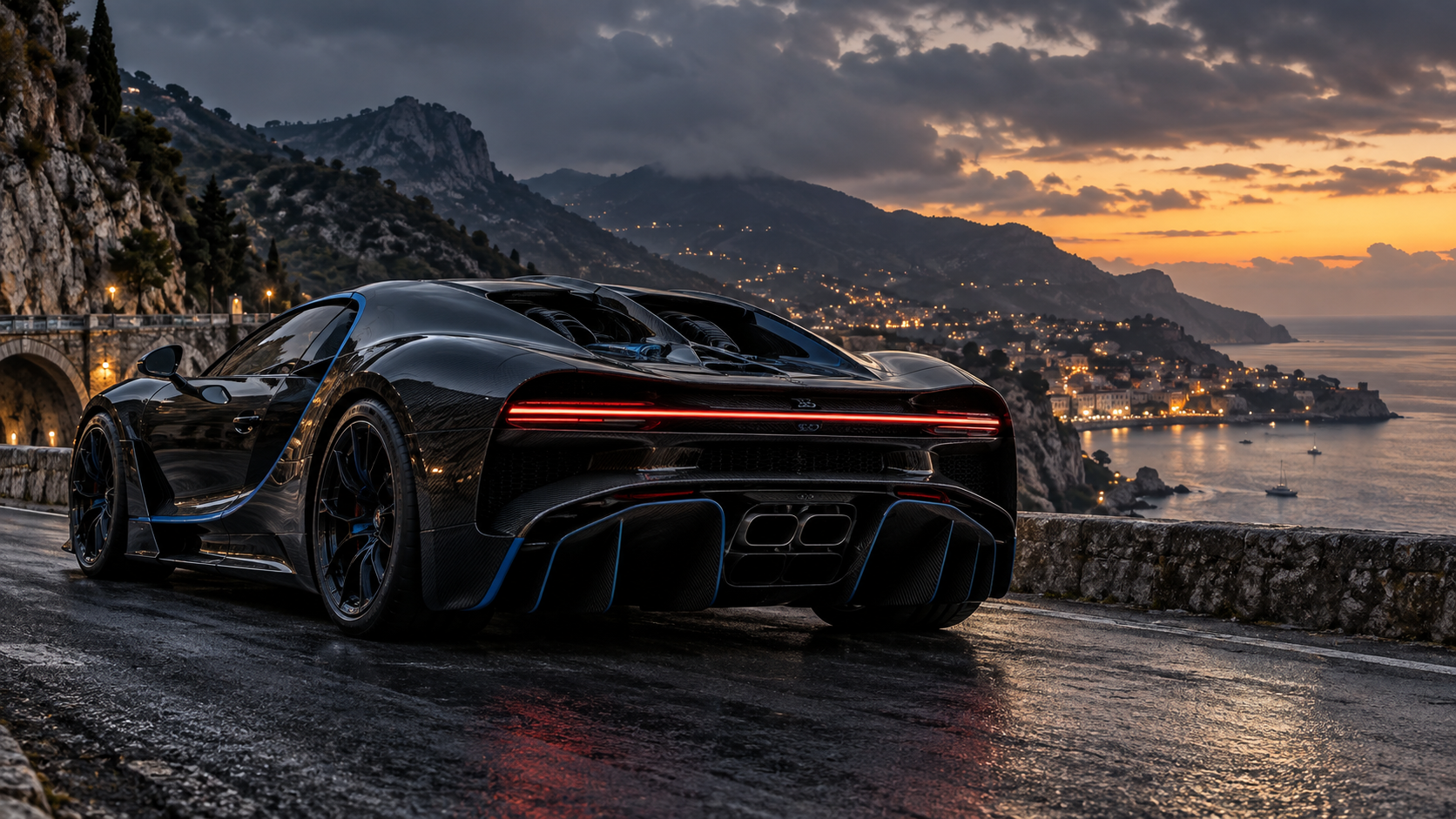
A supercar does not need to sound tidy to sound expensive. Bugatti’s new 8.3-liter V16 reportedly makes a noise the company describes as “dirty and raw,” and that is being treated as a feature rather than a problem.
That matters beyond Bugatti. In an automotive market increasingly capable of manufacturing the sensation of speed, an unpolished mechanical voice can carry unusual weight. For buyers and sellers of private-party enthusiast vehicles, the lesson is simple: character is becoming harder to fake—and easier to value.
Bugatti’s point is authenticity, not nostalgia
The current automotive news around Bugatti’s V16, including Motor1’s report, is not merely about whether one engine sounds good. It is about the company’s apparent decision not to disguise the engine’s natural character with artificial sound.
That distinction matters because modern performance cars can use speakers, software, and carefully managed exhaust systems to shape what occupants hear. None of that automatically makes a car dishonest; sound engineering is part of the product. But when a manufacturer openly accepts an engine’s rougher edges, it signals confidence that buyers will appreciate the mechanical source rather than demand a perfectly edited soundtrack.
The V16’s “dirty and raw” note may not appeal to everyone. That is precisely why it is interesting. Enthusiast value is rarely built from universal approval. It is built from identity.
What this means for private-party buyers
When shopping for an enthusiast car, buyers should spend less time asking whether the exhaust note is impressive in a short clip and more time asking whether the sound belongs to the car.
That means listening in several situations:
- Cold start, when rattles, valvetrain noise, exhaust leaks, and unusual idle behavior are easier to notice.
- Light throttle, where driveline vibration and rough running can reveal more than a full-throttle pull.
- Inside the cabin, not just from an edited exterior video.
- With the windows open and closed, because a car’s real acoustic character can change dramatically from the driver’s seat.
A raw sound is not automatically a healthy sound. Buyers should separate desirable mechanical character from neglect. A sharp induction note, uneven exhaust pulse, or audible gear whine may be part of a vehicle’s personality. A persistent metallic knock, misfire, smoke, or unexplained vibration is a different conversation entirely.
The practical move is to request unedited walk-around and driving footage, then inspect the car in person or arrange an independent evaluation. Sound can establish character, but it cannot replace maintenance records or a proper mechanical inspection.
What sellers should disclose
For sellers, Bugatti’s approach offers a useful reminder: do not oversell a modified or naturally loud car as something it is not.
If an enthusiast vehicle has a coarse idle, aggressive exhaust, cabin resonance, or prominent mechanical noise, show it clearly. A short cold-start video and an honest description can save time by filtering out buyers who want quiet refinement. It also helps the right buyer understand why the car is appealing.
This is especially important with modified cars. Exhaust work, intake changes, engine calibrations, solid mounts, and stripped interiors can all add sound and vibration. Some buyers will consider those traits part of the experience. Others will see them as fatigue, inconvenience, or future expense. Neither response is unreasonable. The seller’s responsibility is to make the trade-off visible.
A clean presentation still matters, but polish should not erase information. If a video uses music over the engine, heavy editing, or only high-rpm clips, interested buyers should reasonably ask what is missing.
The market may be rewarding recognizable character
It would be too early to claim that every buyer now prefers an imperfect soundtrack. Many people still want a performance car that is quiet on the highway, refined in traffic, and easy to live with. Modern engineering has made those expectations possible, and there is no shame in wanting them.
But the market for private-party enthusiast vehicles is not governed only by objective performance. It is also shaped by memory, sensation, and the feeling that a particular machine could not be replaced by a software update. A distinctive engine note can become part of a car’s identity, especially when it is clearly tied to the hardware rather than added afterward.
That may make honest presentation more valuable as cars become more electronically managed. Buyers looking for personality will scrutinize sound, response, vibration, and control feel. Sellers who document those traits—good and bad—are more likely to attract serious interest instead of generating disappointment after a test drive.
Bugatti’s raw V16 is an extreme example, but the buying advice is ordinary: listen carefully, ask what is mechanical, and do not confuse roughness with failure. The best enthusiast cars are not necessarily the smoothest or loudest. They are the ones whose personality survives close inspection.