The 2029 Camaro Sedan Could Redefine the V-8 Muscle Car Wait
Car and Driver’s report on a possible 2029 Chevrolet Camaro sedan raises the questions that matter beyond horsepower: price, ownership, resale, and whether enthusiasts will embrace a four-door Camaro.
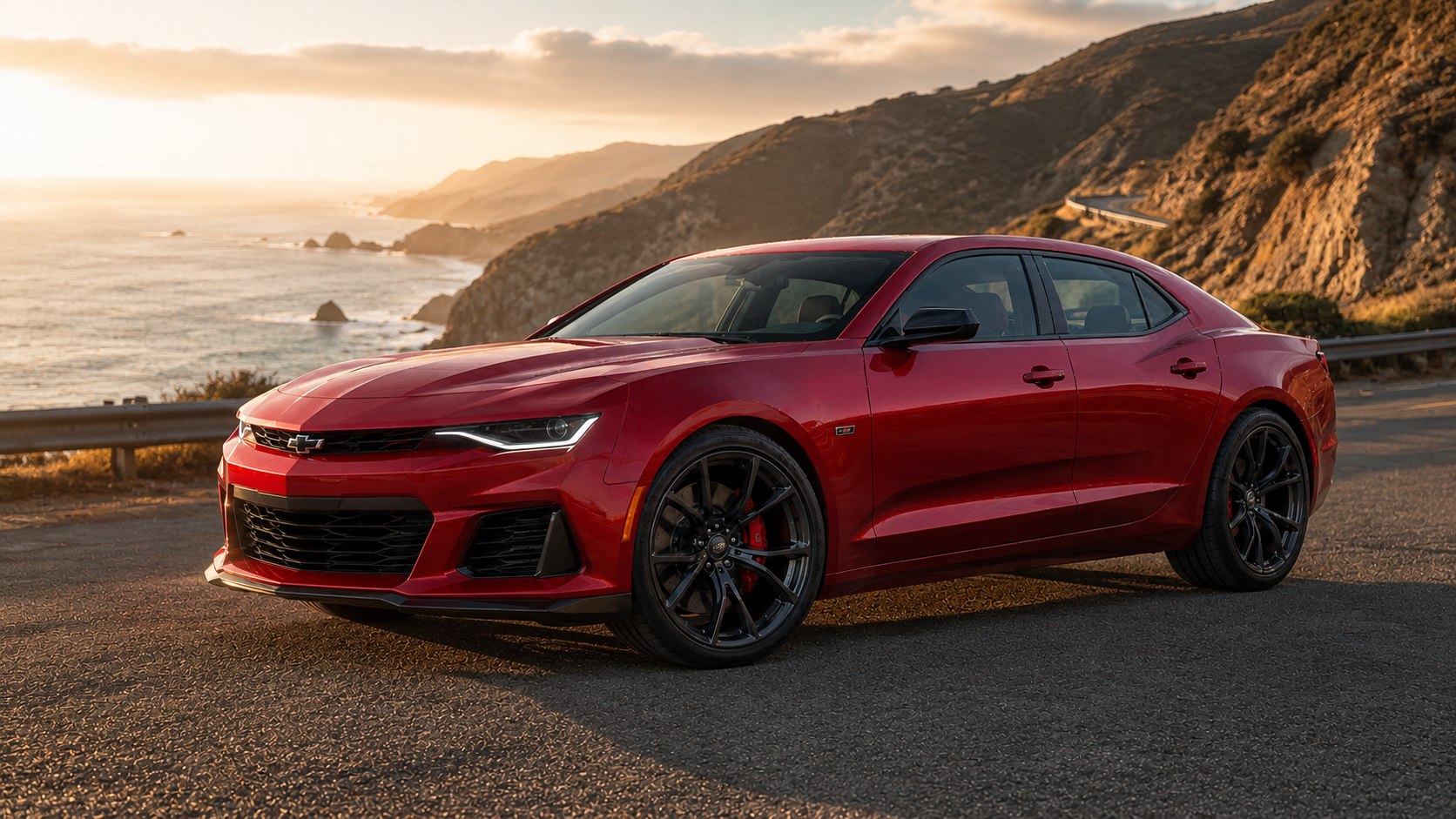
A Camaro with four doors sounds like a contradiction until you remember what made the name matter in the first place: not a body style, but the promise of an American performance car with a big engine, rear-wheel drive, and enough attitude to make ordinary errands feel like an event.
That is the central intrigue in the current automotive news surrounding the reported 2029 Chevrolet Camaro sedan. Car and Driver describes a returning Camaro with an optional V-8, rear-wheel drive, and serious horsepower. Those are the headline ingredients. The harder questions are the ones that determine whether this becomes a future enthusiast favorite or simply an interesting entry in a changing performance market.
The sedan shape changes the conversation
A four-door Camaro would not replace the appeal of a traditional coupe for every buyer. It could, however, widen the car’s usefulness without abandoning the core formula. Enthusiasts who need easier rear-seat access, additional practicality, or one performance car that can handle more of daily life may see the sedan as a meaningful compromise rather than a dilution.
That distinction matters in the private-party market. A vehicle that can serve as both weekend entertainment and regular transportation often attracts a broader set of second owners. But broader appeal does not automatically mean stronger resale value. Buyers will want to know whether the sedan feels like a genuine Camaro or a family car wearing a familiar badge and borrowing a V-8.
The details will decide that argument: seating position, steering feel, transmission choices, brake hardware, cooling, tire fitment, and how convincingly the chassis delivers the rear-drive character promised in the early report. Until those answers arrive, the name and engine are more compelling than conclusive.
Price will shape the ownership story
The reported car has no confirmed pricing in the supplied information, and that uncertainty is important. A V-8 sedan can occupy several different spaces. It might be positioned as an attainable muscle car, a more expensive performance alternative, or a limited and highly equipped model that carries a premium from the start.
For buyers, the useful move is to resist treating the V-8 alone as the value proposition. The real ownership equation will include insurance, fuel, tires, brakes, maintenance access, and the cost of any factory performance equipment. A lower purchase price can lose its appeal quickly if consumables and coverage are expensive. Conversely, a well-engineered car with durable hardware may justify a higher entry point over years of use.
Private-party sellers should expect equipment and condition to matter enormously. If the sedan is offered with meaningful factory variations, documentation will become part of the car’s value. Original wheels, stock exhaust components, service records, and unmodified electronics may matter more than cosmetic upgrades when the first examples begin changing hands.
The modification question arrives early
Muscle-car culture rarely leaves a new V-8 alone. That is part of the fun, but it also creates a predictable divide between cars built for enjoyment and cars altered without a clear plan. Buyers of private-party enthusiast vehicles should pay close attention to tune history, suspension changes, tire fitment, cooling modifications, and whether the original parts are included.
A tasteful modification can make a car more usable or better suited to its owner. It can also narrow the audience. The safest approach is to judge the work, not the parts list. Look for coherent upgrades, professional installation, receipts, and evidence that the car was maintained after modification. A long list of aftermarket components is not a substitute for mechanical care.
Sellers, meanwhile, should understand that nostalgia will not erase inspection concerns. A future Camaro may become culturally important, but buyers will still care about accident repairs, clutch or transmission behavior, fluid leaks, uneven tire wear, and warning lights.
Waiting may be the smart part
The temptation with a returning icon is to decide immediately whether it will be collectible. That is usually premature. The more useful question is whether the car’s design and ownership costs make sense before speculation takes over.
Production timing, final specifications, pricing, dealer availability, and long-term support will all matter. So will the reaction from owners who put real miles on the cars rather than treating them as garage ornaments. A successful Camaro sedan would need to satisfy both groups: the enthusiast who wants rear-wheel-drive V-8 character and the owner who needs a car that works beyond a sunny Sunday.
For now, the reported 2029 Chevrolet Camaro sedan is best viewed as a proposition, not a guaranteed future classic. Watch the engineering details, not just the cylinder count. When firm information arrives, compare running costs and factory equipment as carefully as performance claims. That is how buyers will know whether this Camaro is worth waiting for—and how sellers will know which examples deserve to be remembered.