The BMW M2 Manual Split Is a Bigger Story Than a Gearbox
Carscoops reports that roughly half of U.S. BMW M2 buyers still choose the manual. That decision raises useful questions about ownership, pricing, and the future of enthusiast cars sold privately.
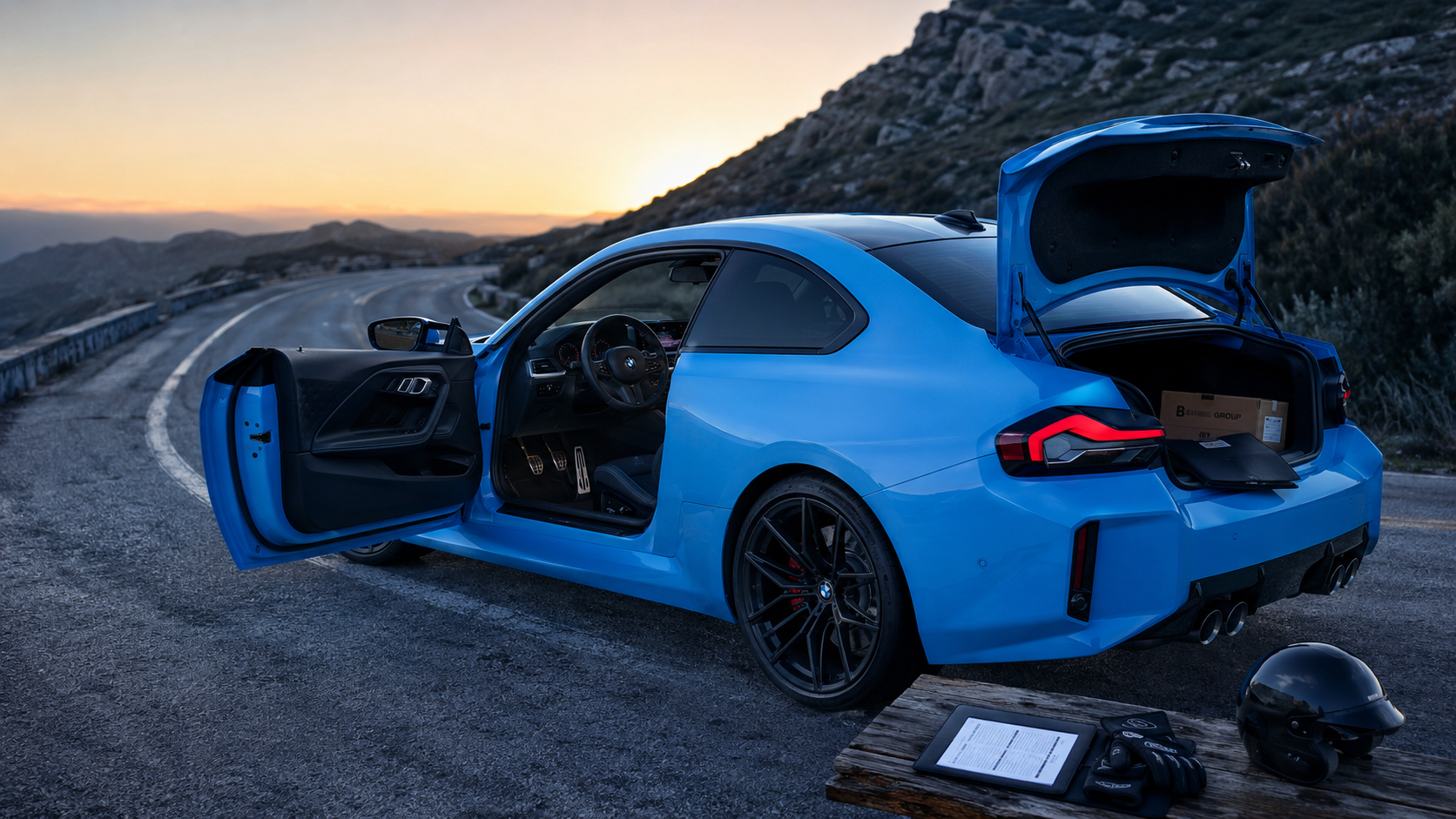
A manual transmission is supposed to be the risky choice in a modern performance car. In the BMW M2, it is reportedly still the choice of about half of American buyers.
That is the central point from recent automotive news coverage by Carscoops: strong demand for the manual-equipped M2 shows that enthusiasts have not simply accepted the idea that faster, easier, and more automated is always better. The number is notable not because every M2 buyer wants to row gears, but because so many still do when an automatic alternative exists.
The M2 Is Testing an Old Assumption
For years, the manual transmission has been treated as a shrinking niche—something manufacturers preserve for brand character rather than meaningful volume. The M2 complicates that story.
A 50-percent take rate, as reported for U.S. buyers, suggests the manual is not merely a ceremonial option selected by a tiny group of purists. It remains a mainstream decision within this particular enthusiast audience. That does not mean manuals are returning everywhere, or that every sports car buyer rejects an automatic. It does mean the appetite for involvement is substantial when the product gives people a credible reason to care.
The M2 also sits in an interesting ownership space. It is practical enough to live with, serious enough to be driven hard, and recognizable enough to attract attention from people who may not spend their weekends at track days. For those owners, the manual may be less about lap times than participation. The appeal is having one more physical decision to make on an ordinary road.
What Manual Buyers Are Really Paying For
The pricing question is more complicated than asking whether a manual M2 is worth more. New-car transaction details, equipment, condition, mileage, service history, color, and local demand all matter. A manual transmission does not automatically turn a used car into a collectible.
What it can do is sharpen the audience. A buyer specifically seeking a manual M2 may care more about configuration than a buyer shopping only by year and mileage. That creates an opportunity for a well-documented private-party seller—but also raises the standard for presenting the car honestly.
A seller should make the transmission part of the car’s identity without pretending it is a magic value multiplier. Include clear photos, accurate mileage, maintenance records, tire condition, brake condition, and any modifications. If the car has been tuned, tracked, autocrossed, or otherwise driven in a way that affects wear, say so plainly. Enthusiast buyers are often willing to accept use; they are much less forgiving of evasiveness.
For buyers, the manual badge should not distract from the basics. A three-pedal car with incomplete records, questionable modifications, or neglected consumables is still a risky used car. The right question is not simply whether the seller can describe the shifting experience. It is whether the entire ownership history supports the asking price.
The Private-Party Market May Become More Divided
The M2’s reported split could produce two different markets over time. One will treat the manual as a desirable specification worth searching for. The other will prioritize convenience, traffic-friendly driving, and the performance consistency of an automatic.
Neither group is wrong. That division may actually make private-party enthusiast vehicles easier to evaluate, because buyers can shop according to how they intend to use the car. Someone who wants a weekend machine may accept a narrower resale audience in exchange for greater involvement. Someone who commutes daily through heavy traffic may reasonably place a higher value on ease of use.
The important point is that future demand will not be determined by internet arguments alone. It will be shaped by actual ownership: who keeps these cars, how they maintain them, and whether the manual continues to feel special after the novelty wears off.
What to Watch Next
The next useful signals are not limited to another take-rate headline. Watch how manual M2s appear in the used market, whether they command consistent premiums or merely attract more attention, and how buyers respond to modified examples. Also watch whether owners keep their cars long enough for condition and documentation to become more important than transmission choice alone.
For now, the reported result is a healthy reminder that enthusiast demand is not as simple as the industry’s efficiency story. Many drivers still want a machine that asks something of them.
That is the practical takeaway for buyers and sellers: treat the manual M2 as a meaningful enthusiast specification, not a guaranteed investment. Buy the example with the clearest history and the right condition for your use. Sell it with precise documentation and realistic expectations. The gearbox may start the conversation, but ownership quality will decide whether the car deserves to stay in it.